
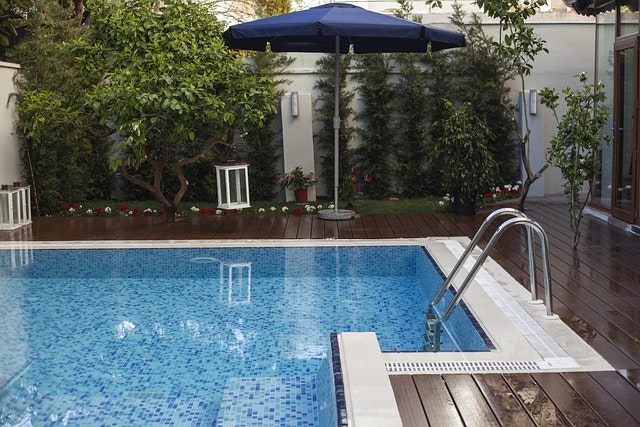
Summer Pool Safety and Liability
Swimming pools offer a refreshing escape from the Florida heat, but they also come with important safety and liability obligations. Property owners must understand how these risks affect their legal responsibilities, especially when an accident occurs. By recognizing common hazards, maintaining proper safeguards, and staying informed about liability rules, owners can better protect themselves and their guests.
Pool-related accidents can happen quickly and often lead to serious consequences. Understanding the legal expectations that apply to pool ownership can help reduce risks and ensure a safer environment for everyone who visits your property.
Why Pool Ownership Requires Careful Attention
A pool can increase your property’s appeal, but it also introduces safety concerns. Drowning risks, slippery surfaces, unexpected depth changes, and equipment failures all present potential dangers. Even minor maintenance issues or brief gaps in supervision can result in serious harm.
Many injuries that occur around pools fall under premises liability law. This legal standard requires property owners to keep their premises reasonably safe for visitors. If someone is injured because a dangerous condition was not addressed or disclosed, the owner may be held responsible.
To establish liability, an injured person generally must show that a hazardous condition existed, the owner knew or should have known about it, the issue was not fixed or properly warned against, and the hazard directly caused the injury. Understanding these elements allows property owners to take preventive steps that reduce legal exposure.
Hidden Hazards Versus Obvious Risks
A significant factor in premises liability claims involves whether a danger was apparent or concealed. Property owners typically do not need to warn about risks that are obvious to a reasonable person, such as the fact that pool decks can become slippery.
However, less visible hazards often require prompt repair or clear warning. Examples include:
- Unstable or broken pool ladders
- Drains that malfunction and create suction hazards
- Loose or cracked tiles beneath the water
- Sudden or poorly identified depth transitions
When unaddressed, these conditions can significantly increase the possibility of injury. Routine inspections and timely maintenance help identify and correct such issues before they become dangerous.
Important Legal Considerations Involving Children
Pools often attract children, who may not fully recognize the risks associated with water. Because of this, many states apply the "attractive nuisance" doctrine, which may require property owners to take additional measures to secure areas that could draw children onto the property.
Preventive safety features may include fencing at least four feet high, self-closing and self-latching gates, and in some locations, door or pool alarms. These precautions help reduce the chance that a child could access the pool without supervision.
If a child is injured after entering a pool area, courts often investigate whether the owner took reasonable steps to prevent unauthorized access.
Practical Steps For Safer Pool Areas
Preventing pool accidents begins with consistent and proactive safety measures. Property owners can strengthen pool safety by following essential practices:
- Install secure barriers. A proper fence or similar barrier restricts entry to the pool area. Gates should automatically close and latch to help keep children from entering unnoticed.
- Monitor and maintain equipment. Regularly check ladders, drains, pumps, slides, and covers to ensure everything functions correctly. Defective equipment can create significant hazards.
- Fix hidden risks quickly. Address problems such as submerged objects, damaged surfaces, inadequate lighting, or loose tiles. If immediate repairs are not possible, clearly warn visitors about the hazard.
- Ensure active supervision. Accidents can occur within moments, especially with children. Designating an attentive adult to monitor swimmers during gatherings helps maintain safety.
These measures not only reduce the chance of accidents but may also demonstrate that the property owner acted reasonably if a liability claim arises.
Equipment And Maintenance Duties
Beyond general safety practices, properly functioning pool equipment is essential to preventing injuries. Drains, pumps, covers, slides, and diving boards must be correctly installed and maintained on a regular basis.
Malfunctioning drains can produce dangerous suction. Faulty ladders or improperly secured slides can cause falls. Damaged covers may lead to unexpected submersion risks. In some situations, liability may involve the manufacturer, distributor, or installer if defective equipment contributes to an injury.
Taking the time to inspect and maintain pool equipment helps reduce hazards and may limit exposure to claims involving equipment failures.
The Importance Of Adequate Insurance Coverage
Pools typically increase liability risks, making proper insurance coverage an essential consideration. Many homeowners insurance policies require owners to disclose the existence of a pool.
If a pool is not reported or if the owner fails to meet the safety requirements outlined in the policy, coverage may be affected after an accident. Property owners who frequently host guests may also consider reviewing their liability limits.
Some choose to add umbrella insurance for additional protection if a claim exceeds standard policy limits. Understanding your insurance obligations helps ensure that you are properly covered in the event of a pool-related incident.
What To Do Following A Pool Accident
Despite proper precautions, accidents may still occur. When an injury happens, it is important to respond quickly and responsibly.
The first priority is to obtain medical assistance for anyone who is hurt. Once emergency needs are addressed, documenting the conditions and gathering witness information may help preserve important details.
Avoid making statements about responsibility or assigning blame before the facts are fully understood. Consulting with legal counsel can help clarify your rights, responsibilities, and possible next steps.
Prompt and thoughtful action can ensure the matter is handled appropriately and in line with legal requirements.
Pools bring enjoyment and relaxation, but they also require continuous attention to safety and legal considerations. If you have questions about pool safety, premises liability, or a Florida pool-related injury, visiting the John P. Goshgarian Law website or contacting my South Florida office may help you better understand your options and protect your interests.