
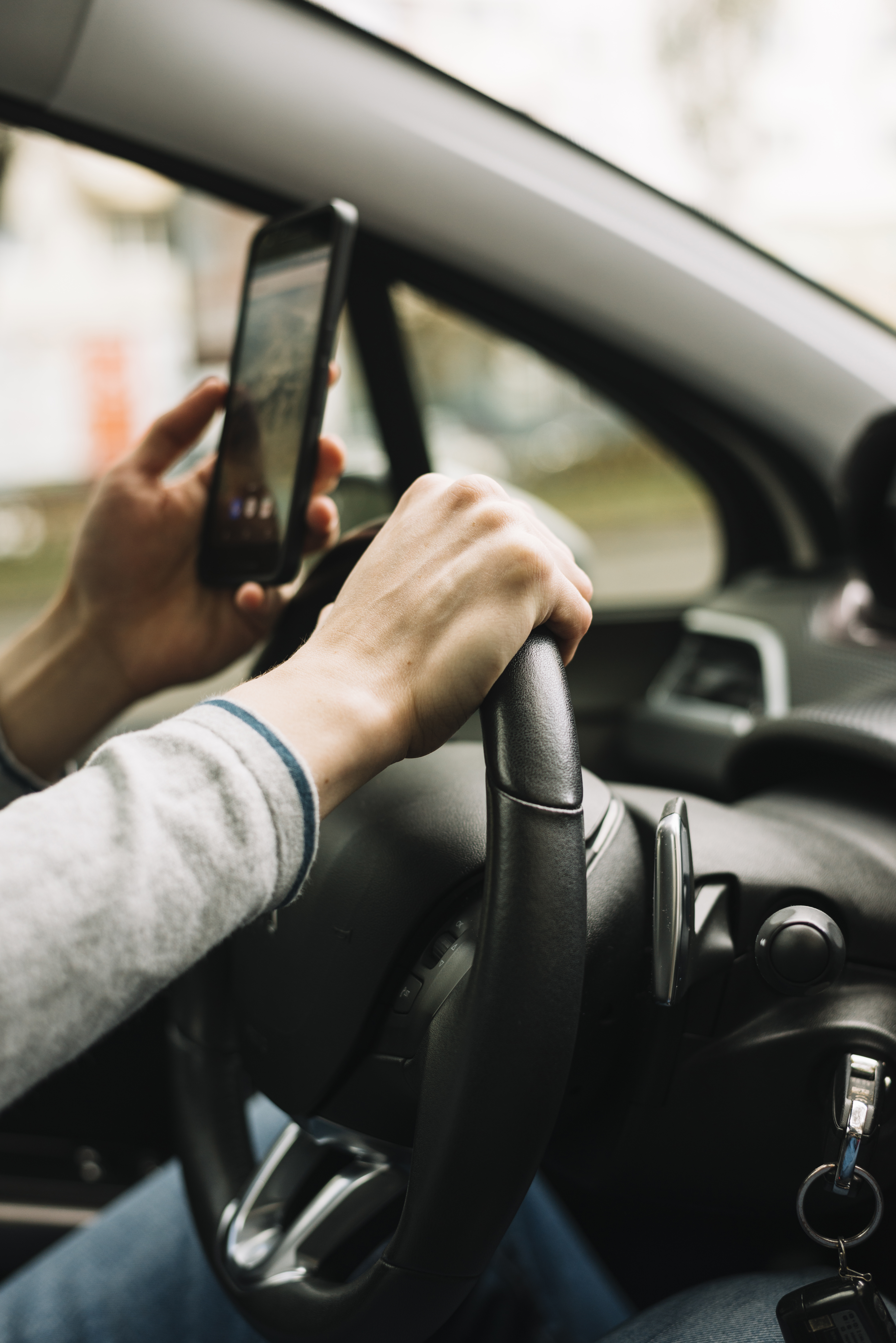
Proving Distracted Driving: How Different Forms of Evidence Strengthen an Injury Claim
Distracted driving remains a major factor in car accidents across the United States. Even though awareness campaigns have helped highlight the dangers, showing that distraction played a role in a specific crash can still be difficult. For this reason, personal injury attorneys turn to a combination of digital information, physical findings, and witness testimony to build a clear and convincing case. When these pieces of evidence are combined, they reveal the connection between a driver’s lapse in attention and the collision that followed.
As Distracted Driving Awareness Month approaches this April, it’s helpful to understand the different types of evidence that can be used to demonstrate negligence and support an injury claim.
Digital Evidence: Uncovering the Driver’s Activity
Mobile Phone Records and App Interaction
One of the strongest indicators of distracted driving comes from the driver’s cellphone. Details like call times, text message logs, and app activity provide insight into whether the driver was using their device around the time of the crash. Even without reading the content of messages, the timing of phone activity can strongly suggest distraction.
Accessing this digital information isn’t always simple. Carriers often keep records for limited periods, and attorneys may need a subpoena to obtain them. In more complex situations, a forensic phone review may reveal deleted data or background activity—such as checking a GPS app, scrolling a feed, or opening a messaging platform—that helps establish what the driver was doing before the accident.
Social Media Use and Location Tracking
In a world where people frequently stay connected, some drivers browse social media, upload photos, or even livestream while behind the wheel. These online interactions can quickly become critical evidence in an injury case.
Information like location tags, check-ins, post timestamps, and app interaction patterns can all demonstrate where the driver’s attention was directed. When analyzed alongside phone records, these digital traces help form a more complete picture of the driver’s behavior leading up to the crash.
Eyewitness Accounts and Video Footage: Capturing Distraction in Action
Statements From Witnesses
Individuals who observed the crash—such as pedestrians, other motorists, or passengers—play a meaningful role in distracted driving cases. They may have seen the driver handling their phone, looking down, or performing an activity unrelated to driving. These firsthand accounts support digital findings by adding valuable human perspective.
Witnesses might also recall what happened immediately after the collision. Sometimes a driver admits they were looking at their phone, or a lit screen is still visible inside the vehicle. These small but important details often help confirm distracted behavior.
Traffic Cameras and Dashcam Video
Many intersections and roadways are monitored by traffic or security cameras, and more drivers than ever use dashcams to record their trips. If video footage captures a car swerving, failing to brake, or showing a driver interacting with a device, it becomes compelling evidence of inattention.
However, this footage is often temporary and may be erased within days or even hours. That’s why attorneys act quickly to locate and preserve any available recordings before they disappear for good.
Vehicle and Scene Evidence: Physical Signs of Driver Inattention
Event Data Recorders (EDRs)
Most newer vehicles contain event data recorders—often referred to as “black boxes”—which store valuable information about the moments just before a collision. Data such as speed, braking, acceleration, and steering input help determine how the driver responded, or failed to respond, to an upcoming hazard.
If an EDR shows no attempt to brake or swerve before impact, it may indicate that the driver never saw the obstacle, suggesting their attention was diverted. When this data aligns with video or digital evidence, it helps build a strong, unified account of distracted driving.
Evidence Collected at the Accident Scene
Traditional crash scene analysis remains an essential part of the investigation. Skid marks, lack of braking, vehicle positioning, and debris patterns all help illustrate what happened. For example, if a stopped vehicle is hit from behind and there are no signs of braking, this strongly implies the at-fault driver wasn’t paying attention.
Accident reconstruction professionals can use this data to recreate the crash scenario and evaluate what actions the driver could have taken had they been fully alert.
Legal Timing: Why Quick Action Is Crucial
Nearly all forms of evidence in distracted driving cases are time-sensitive. Phone carriers, social platforms, and camera systems often delete or overwrite data quickly—sometimes within days. And because attorneys typically can’t request this information until a legal case has begun, delays can make important evidence impossible to recover.
This is why contacting a personal injury lawyer promptly after a suspected distracted driving crash is essential. A qualified attorney will immediately send preservation requests to carriers and social networks, obtain dashcam or surveillance footage, secure vehicle data, review scene evidence, coordinate with reconstruction experts, and file the necessary paperwork to begin building a strong case. Waiting too long may mean losing key information forever.
The Path to Recovery: Support When You Need It Most
Proving distracted driving requires more than suspicion—it involves swift evidence collection and a well-planned legal strategy. Whether the distraction came from texting, browsing social media, or using GPS, uncovering these details can make a significant difference in the final outcome of a claim.
If you’ve been in a collision and believe distraction played a role, don’t delay. Speak with a personal injury attorney who understands how to use digital records, witness statements, and physical evidence to build a compelling case.
Reach out today to discuss your situation and begin assembling the evidence needed to protect your rights and pursue fair compensation. Prompt action increases your chances of securing the justice you deserve.