
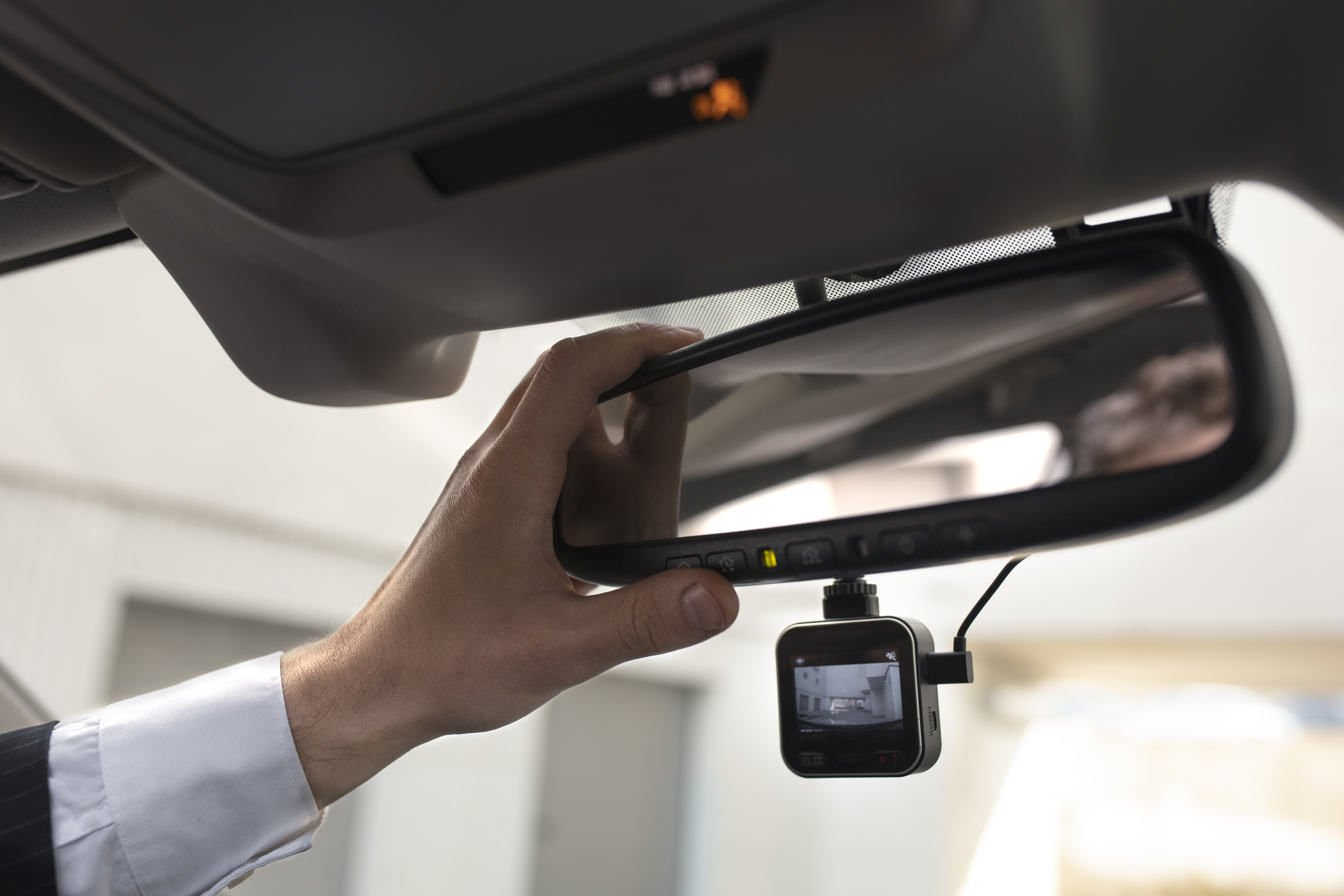
Should You Install a Dash Cam? Key Insights for Today’s Drivers
Car accidents can leave drivers rattled and uncertain about what really happened in those chaotic moments. When people recall events differently and no independent witnesses are around, determining fault can quickly become a stressful back-and-forth. It’s no wonder so many drivers later wish they had a dash cam running to capture the incident as it unfolded.
Dash cams have surged in popularity as more motorists look for reliable ways to document their time on the road. These compact devices can provide meaningful evidence, but they’re not a perfect fit for every situation. Before investing in one, it’s helpful to understand both the advantages and the potential downsides.
Why Dash Cams Are Becoming More Common
Concerns about roadway safety continue to rise, and drivers are increasingly turning to dash cams for additional peace of mind. With crash rates still higher than they were years ago, insurance disputes and questions about fault are becoming more frequent. In these moments, having objective footage can make a significant difference.
Research further supports this trend. One study highlighted in the Journal of Safety Research noted an 86% reduction in accident-related expenses when dash cams with driver feedback features were used. While that study focused on a specialized application, it reinforces how powerful video documentation can be. For everyday drivers, the takeaway is clear: recorded footage may help cut through confusion and resolve claims more efficiently.
What Dash Cams Capture During Everyday Driving
A dash cam is a small, windshield- or dashboard-mounted camera that typically begins recording as soon as the engine turns on. It continuously captures footage and stores it on a memory card, usually overwriting older clips unless they are saved manually. This loop recording makes the device simple to operate and maintain.
Beyond basic recording, many models offer enhanced features. Some activate when they detect motion or an impact, even when the vehicle is parked. Others offer rear-facing cameras, improved nighttime clarity, built-in GPS, or cloud backups for added security. Regardless of the bells and whistles, the goal remains the same: to provide a clear, unbiased record of what happened.
How Dash Cam Footage Can Support You After a Collision
One of the most valuable uses of a dash cam is capturing the sequence of events surrounding a crash. When fault is unclear and no witnesses are present, video can add critical clarity. It may show lane positioning, traffic light status, sudden braking, or driver behavior right before impact.
This level of detail can help determine whether another driver drifted into your lane, failed to yield, or engaged in unsafe behavior. With this kind of evidence available, insurance discussions and legal conversations often become more straightforward, reducing the uncertainty that usually follows a crash.
A Tool Against Fraud and Misleading Claims
Although not extremely common, staged collisions and fraudulent claims do occur. In such situations, dash cam footage can be invaluable. There have been cases where video evidence clearly exposed attempts to manipulate the circumstances of a crash or place blame where it didn’t belong.
By capturing exactly what happened, a dash cam helps shield you from being wrongly held responsible. While it can’t prevent every deceptive scenario, it makes it far more difficult for false claims to stand up under investigation.
Documenting Hit-and-Run Situations
Hit-and-run accidents can leave drivers feeling helpless. When someone damages your vehicle and drives off, identifying them can be extremely challenging. Dash cams sometimes capture crucial details like license plates, vehicle color, or distinctive markings that can assist in locating the responsible driver.
Models equipped with parking mode can be particularly useful. These devices activate when they sense movement or an impact, potentially capturing footage even when your car is unattended in a lot or on the street.
Important Limitations to Consider
Despite their advantages, dash cams don’t guarantee comprehensive protection. Their field of view is limited, and footage that is blocked, unclear, or overwritten may not be useful. Even well-functioning cameras cannot capture incidents occurring outside the frame.
It’s also essential to remember that dash cams record impartially. If the footage shows that you were speeding, distracted, or otherwise driving unsafely, that evidence could be used against you. The camera does not favor one side—it simply shows the facts.
Legal and Privacy Factors
There are legal responsibilities that come with owning a dash cam. Some states restrict where devices may be mounted to prevent windshield obstruction. An improperly placed camera could not only hamper your visibility but also violate local rules.
Privacy considerations are important as well. States with two-party consent laws may require you to obtain permission before recording in-cabin audio. Proper handling and storage of your footage also matter, particularly if it later becomes part of a claim or legal process. Ensuring the integrity of the video is essential.
Is a Dash Cam the Right Choice for You?
Deciding whether to install a dash cam depends on your driving habits, risk tolerance, and priorities. If you spend significant time commuting, drive professionally, or have been involved in disputed collisions, the benefits of reliable video evidence may outweigh the concerns.
For others, considerations such as privacy, the need for regular maintenance, or the possibility that footage could be used unfavorably may make the decision less clear. Understanding how dash cam evidence is interpreted by insurers and in legal settings can help you make an informed choice.
If you’ve recently experienced a car accident and want to know how dash cam footage might affect your personal injury claim, speaking with a professional can be invaluable. Video documentation can be powerful, but how it’s presented and evaluated is just as important as the footage itself. We’re here to help—reach out anytime for guidance.