
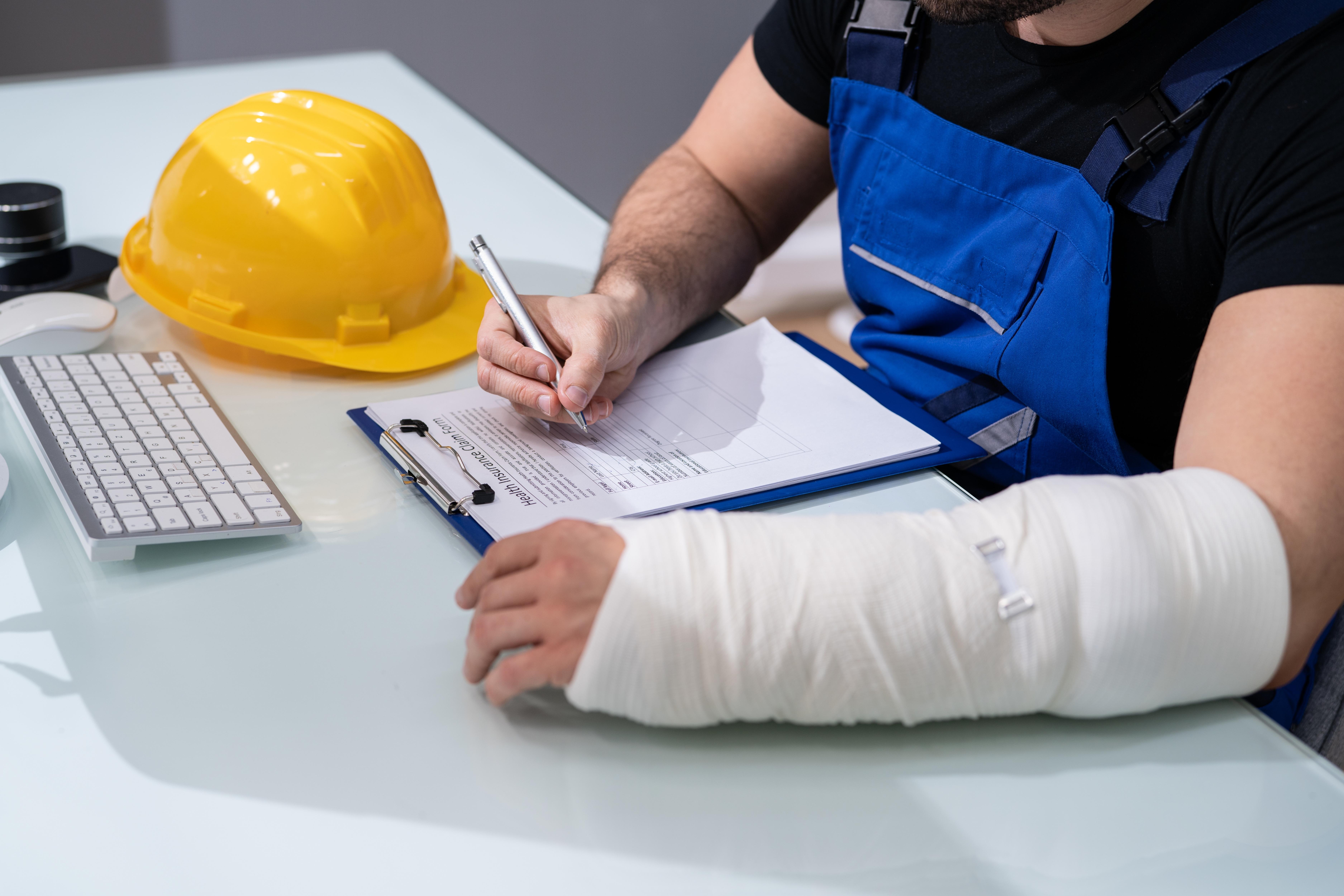
Steps to Take After a Personal Injury in Florida
An unexpected accident can disrupt nearly every part of your life. Whether the incident involved a vehicle collision, a fall, or another serious event, you may be coping with physical pain, medical visits, time away from work, and insurance-related questions at the same time.
The actions taken in the days following a personal injury can affect both your recovery and a potential claim. Understanding how to respond after an accident can help protect your health, preserve important information, and reduce the risk of avoidable problems.
Below are important steps to consider after being injured in an accident in Florida.
Seek Medical Attention Promptly
Your well-being should be the first priority after an accident. Even when an injury seems minor at first, it is wise to be evaluated by a medical professional as soon as possible.
Not every injury causes immediate symptoms. Soreness, restricted movement, pain, or other concerns can develop hours or days after the event. Receiving timely care may help identify an injury before it worsens.
Medical documentation also establishes a record of your condition, the care you received, and your progress during recovery. That information can be meaningful if questions later arise about the cause or severity of your injuries.
Make Sure the Incident Is Reported
After an accident, notify the appropriate person, business, or authority about what occurred. An official report can provide an early record of the date, location, and circumstances surrounding the incident.
The proper reporting step depends on the situation. It may involve contacting law enforcement, notifying a property owner, completing an incident report, or informing an employer.
Creating this documentation promptly may prevent misunderstandings or missing details later. It also helps establish that the accident was reported when it occurred.
Photograph the Scene and Collect Details
If your condition allows, document the accident scene as soon as you can. Conditions can change quickly, and details that may be useful later can be removed, repaired, or become difficult to verify.
Use photos or video to capture relevant details, including:
- Injuries that can be seen
- Damage to vehicles
- Unsafe conditions on the property
- Weather at the time of the accident
- Posted warnings or the absence of warnings
- The overall area where the incident occurred
When witnesses are present, ask for their names and contact details if possible. Preserving information early can make it easier to piece together what happened after the accident.
Organize Records Related to the Injury
A personal injury may create financial burdens in addition to physical challenges. Keeping organized records related to the accident and your treatment can help show how the injury has affected your life.
Save copies of items such as:
- Statements and bills for medical care
- Receipts for prescription medications
- Records from therapy or rehabilitation
- Vehicle or property repair estimates
- Pay records reflecting missed time from work
- Transportation costs associated with medical visits
It can also be useful to maintain a recovery journal. Recording symptoms, limitations, sleep difficulties, pain levels, and day-to-day obstacles may provide a more complete account of the injury’s effect on your routine.
Use Caution With Insurance Adjusters
Insurance representatives may reach out shortly after an accident. Although these conversations may appear routine or helpful, it is important to proceed carefully.
A recorded statement, a fast settlement proposal, or paperwork presented for signature may affect a Florida personal injury claim. An offer made early in the process may not account for future treatment, lost wages, or continuing recovery needs.
Before agreeing to a settlement or signing documents, take time to understand your rights and available options. Careful decision-making is especially important while the full extent of an injury remains uncertain.
Follow the Medical Treatment Plan
After treatment begins, follow your doctor’s recommendations and attend scheduled appointments. Consistent care supports your recovery and provides a clearer record of the treatment you need.
Missed appointments or lengthy breaks in care may make it more difficult to demonstrate the full impact of an injury. They can also lead others to question the nature of your recovery.
If you have questions or concerns about the treatment plan, discuss them with your healthcare provider instead of ending treatment independently. Your provider can help address concerns and guide next steps in your care.
Limit What You Share on Social Media
Social media activity can become relevant in a personal injury matter. Posts, photographs, videos, comments, and location updates may be viewed by others and interpreted without full context.
Even an ordinary post can be used to challenge how serious an injury is or how it affects your daily activities. What appears online does not always reflect the pain, limitations, or recovery challenges a person may be experiencing.
While a claim remains pending, it is generally best not to post about the accident, your injuries, or the recovery process. Limiting online discussion can help avoid unnecessary complications.
Act Before Important Time Limits Pass
Personal injury claims are subject to legal time limits, and the applicable deadline can depend on the facts of the accident. Waiting can make it more difficult to protect your rights.
Over time, evidence may disappear, witnesses may become harder to locate, and important details may be forgotten. Seeking guidance early can help you understand the process and make informed choices about what to do next.
The steps you take following an injury can have a meaningful effect on your recovery and potential claim. While every situation is different, acting promptly, maintaining thorough records, and staying informed can help you avoid common issues. If you have questions after an accident in South Florida, John P. Goshgarian Law can help you understand your options and move forward with greater confidence.